
Knowledge transfer


Weaving the web of knowledge
Thanks to the African Union-European Union Digital for Development (D4D) Hub, there were many opportunities to share knowledge between the benefitting countries and Team Estonia. These events occurred in Cabo Verde, Botswana, Namibia, Tanzania, Uganda, Zambia, Zimbabwe, and Estonia. The events ranged from dedicated D4D sessions at the e-Governance Conference in Estonia to topic-specific seminars and workshops in target countries. For example, there was a seminar about how the story of Estonia could be an inspiration in Zimbabwe, as well as providing cybersecurity expertise for the critical infrastructure in Cabo Verde. There have also been opportunities to get to know the African experience via learning from their case studies, panels and discussions.


The D4D Hub at the e-Governance Conference in Estonia
The e-Governance Conference has been organised since 2015 by the e-Governance Academy with the support from the Ministry of Foreign Affairs of Estonia, and the Estonian Centre for International Development (ESTDEV). The long-running conference is one of the most significant events in the digital governance arena.
In 2023, the Conference made a new record by hosting 547 participants from 94 countries in Tallinn.
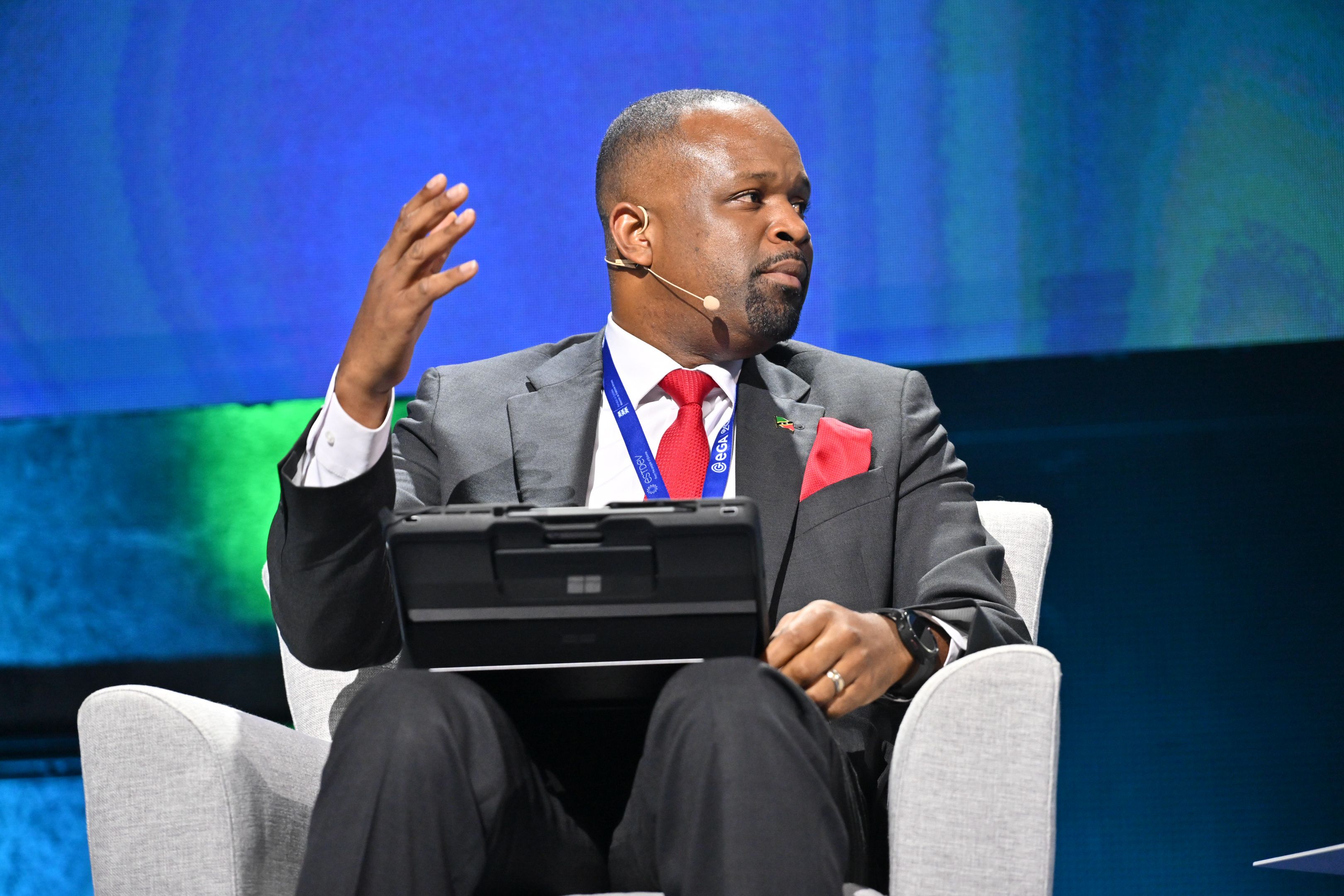
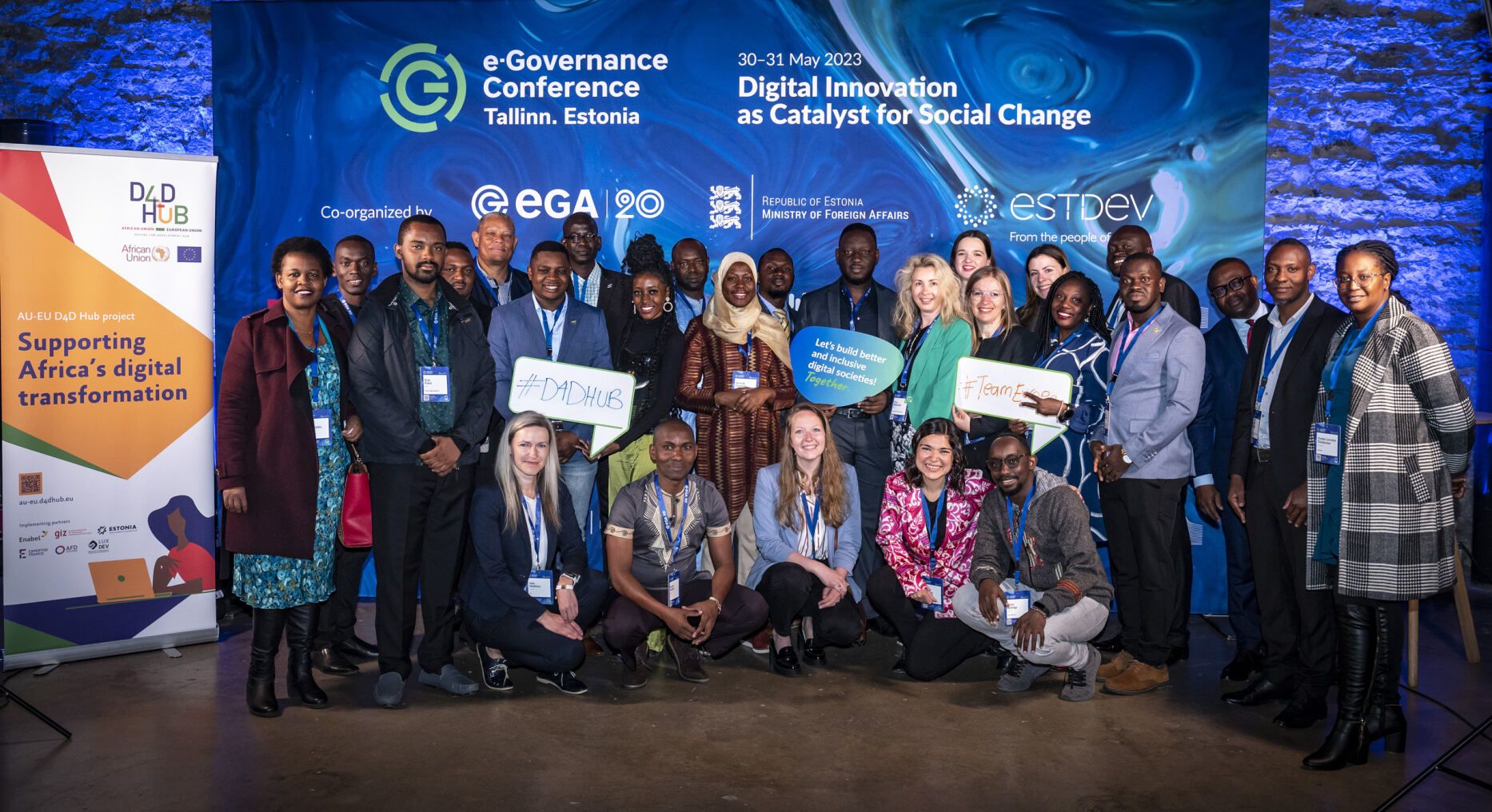
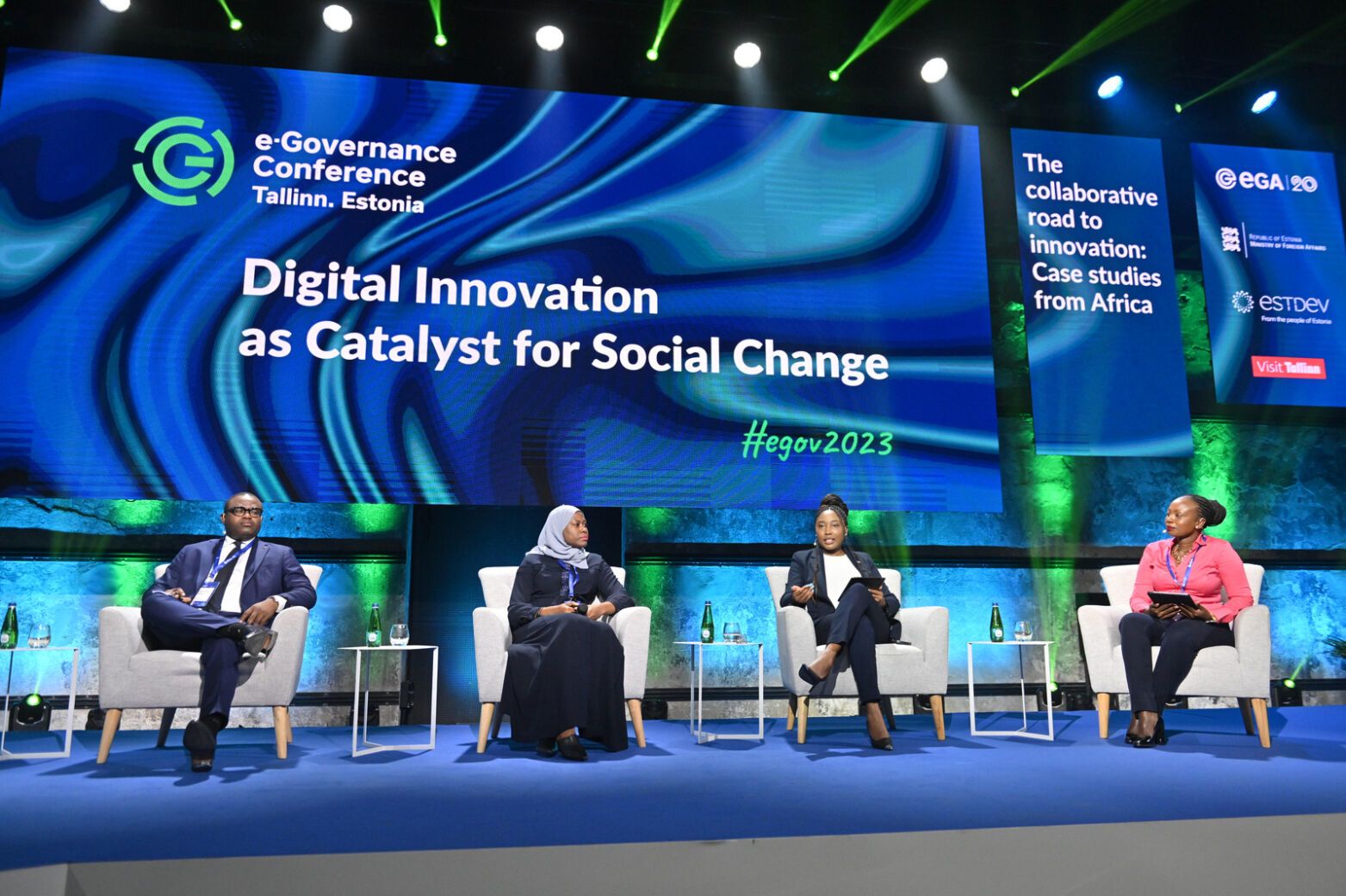
During the last two years (2022 and 2023), the African Union – European Union Digital for Development (D4D) Hub project has been a significant part of the conference program. The conference has included several African case studies; in 2023, a special panel was organised to discuss the collaborative road to innovation. The panellists from Namibia, Uganda and The Gambia shared their experiences and highlighted how cooperation between governments, the private sector, civil society, and academia could foster innovation in the public sector. The discussion focused on working together to develop and implement innovative e-governance policies for sustainable and inclusive change—the panel discussion aimed to highlight the opportunities that can benefit people.
The dedicated panel allowed us to focus on regional collaboration among the international audience that included policymakers and experts in the field of digital governance. In addition to that, a dedicated workshop themed “ToughEST lessons of digitalization” was organized by the Estonian Association of Information Technology and Telecommunications (ITL), where several experts behind the e-Estonia success story were placed on the “hot seat” and asked about the mistakes made along the road and potential failures to avoid in order to make digital transformation happen.
In 2022, the session focused on digital services, and the case studies highlighted the preconditions, needs, and challenges in developing human-centric and effective public services in the African context. The panellists from Benin, Egypt and Botswana shared good practices, lessons, and real-life examples to bring the digitalisation stories to the listeners.
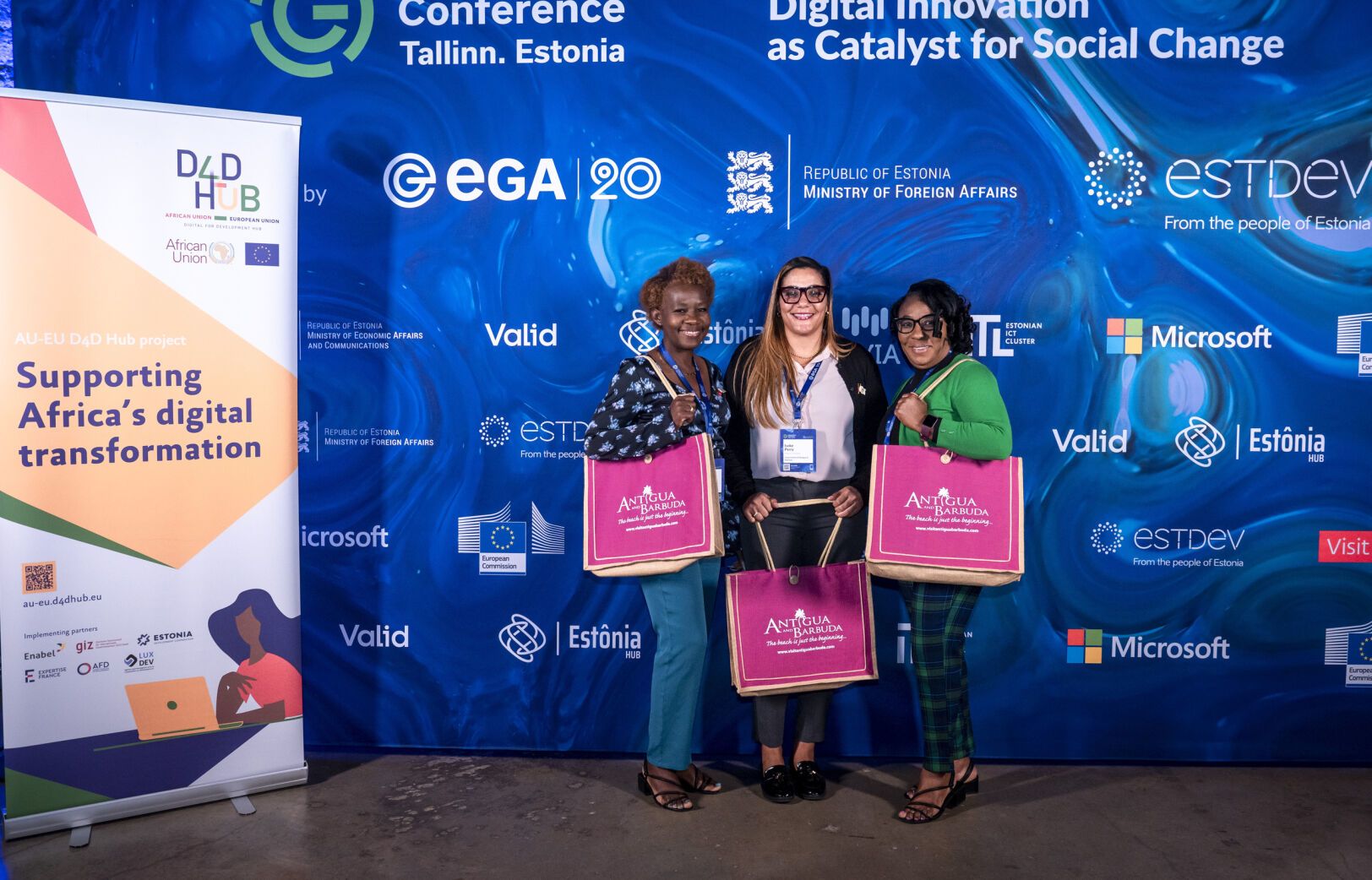
In addition to the panellists, the AU-EU D4D Hub project enabled delegations to join the conference. In 2022 there were 25 members in the delegations from seven countries (Benin, Botswana, Egypt, Guinea, Senegal, Rwanda, Tanzania) and in 2023, from eight countries and regional institutions (BOAD, Cabo Verde, The Gambia, Guinea-Bissau, Mali, Namibia, Niger, Togo, UEMOA, Uganda). Having a significant presence at the conference in panels and delegations, the collaboration between Estonia and African countries under the D4D Hub has been mutually beneficial, with more and more partnerships fostered and personal connections forged between the nations. In addition, the delegates also benefitted from more opportunities to learn about eEstonia – for example, by visiting the e-Estonia Briefing Center. There were also opportunities to share experiences with the Estonian private sector and to learn about new IT solutions at the expo area of the conference.
The conferences have shown us that knowledge sharing creates a basis of mutual understanding that can lead to better collaboration and innovation for the future.






Podcast 🎧 & blog: The collaborative road to innovation in Africa
In this Digital Government podcast episode Helena Lepp, Digitalization Expert at the AU-EU D4D Hub, and Koffi Fabrice Djossou, Senior Programme Manager at the Western African Development Bank discuss how collaborative partnerships support digital policy implementation.

"In 9 years, the e-Governance Conference has become a meeting place for representatives of transforming countries, Estonian e-government developers and international donors. Many digital cooperation projects have received a boost from this Conference."
Hannes Astok
Executive Director, e-Governance Academy
Egypt - introducing e-signatures


Overview
Introducing electronic signatures into a business environment can be a daunting task that requires a high level of skills and knowledge in several fields. To ensure that stakeholders in an electronic signature ecosystem have adequate understanding and knowledge, coordination by an entity like the Information Technology Industry Development Agency (ITIDA) in Egypt is vital. In this article, we will take a closer look at the various parts of the project. The first section includes a gap analysis, legal and technical recommendations for digital signature and electronic trust services delivery, and proposals for a new mechanism to coordinate between ITIDA and EU Member States, all of which were provided by members of the Estonian Association of Information Technology and Telecommunications (ITL), Proud Engineers and SK ID Solutions. The second part focused on skills and capacity-building with the support of an electronic signature training and handbook delivered by e-Governance Academy (eGA) to ITIDA and the iterative method outlined in the handbook, which enables continuous improvement of the content and execution of the training programs.
“Electronic signature is a vital component in any business process where legal responsibility is taken. Like a handwritten signature, the electronic signature is used to proof a persons will and acceptance of legal consequences. Electronic signature offers the fastest way for digital transformation – any service or process requiring commitment with a signature can be implemented electronically without the need for bigger changes in a business process or legal framework. Egypt has most of the technical prerequisites to implement electronic signature nationwide and to incorporate its trust with EU legal framework."
Mark Erlich, eGA’s Senior Expert on Digital Identity, former Head of Electronic Identity Department at the Information System Authority of Estonia
The initial legal and technical analysis by a team of experts consisting of Raido Aarop and Kristiina Laanest from Proud Engineers, as well as Kaisa Valk and Katrin Laas-Mikko from SK ID Solutions identified existing hurdles and aspects to keep in mind in both areas. In the legal area, several terms require definitional revision, and some additional procedural actions need to be put in place. On the technical side, the existing setup was found to be very solid, providing a good foundation for harmonisation with the European ecosystem.
The handbook and training materials
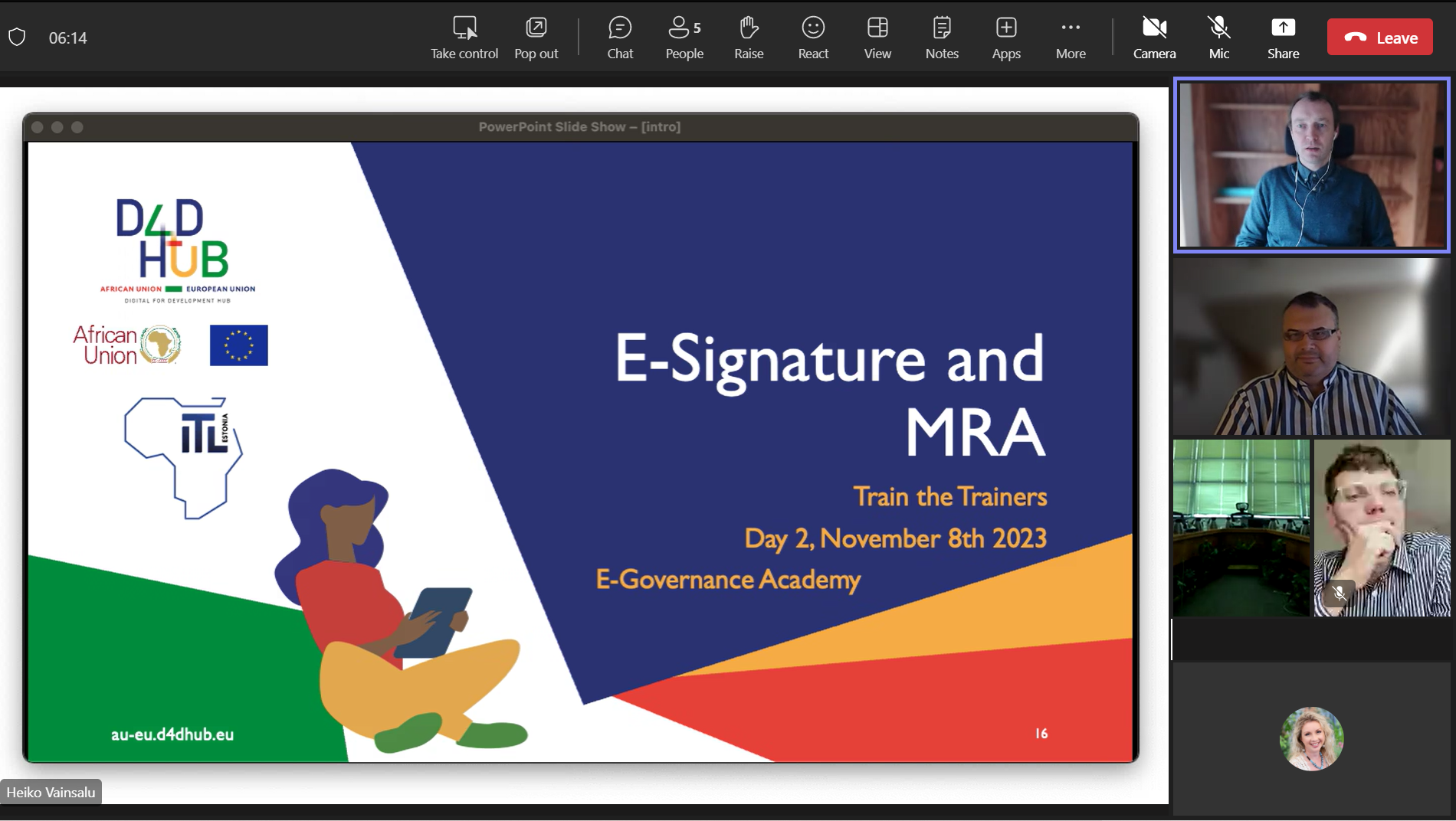
As a result of the cooperation between the eGA and ITIDA under the AU-EU Digital for Development (D4D) Hub project, a handbook for conducting training sessions was created with sample slides for the trainer’s training and a pilot training for stakeholders.
The team of experts involved Mark Erlich, Oleksandr Kozlov and Heiko Vainsalu, who have relevant and expansive knowledge and experience in digital infrastructure and governance and in designing and deploying robust eID infrastructures in Estonia and worldwide.
The handbook was designed to serve as a set of guidelines and instructions for preparing and executing training sessions covering aspects related to the electronic signature. Trainees are expected to give input for adjustments to the handbook after each training session to ensure the high quality and smooth operation of future training sessions. These supportive measures benefit ITIDA in continuing its actions of training stakeholders in a structured way.

“With the express goal of the Government of Egypt to pursue a Mutual Recognition Agreement for digital signatures with the European Union, we were grateful to openly discuss the status quo with various stakeholders and discover paths to reach the desired outcome of an MRA. With the legal and technical assessments provided to our Egyptian colleagues, we are optimistic that the Egyptian ecosystem can be harmonised with that of the EU in the long run.”
Raido Aarop (Proud Engineers, Consultant):
The approach
The training approach outlined in the handbook is an iterative method that enables continuous improvement of the content and execution of the event by the team responsible for delivering the training.
Each iteration consists of the following main steps:
1. Gather interested parties and potential trainees.
2. Identify the core functions of participating organisations.
3. Gather information from participants through the questionnaire and analyse the results - capacity analysis.
4. Prepare the training event by defining the training program and customising it according to participant’s needs.
5. Conduct the training event.
6. Collect feedback from the trainees and improve the handbook and training materials.
´
The handbook consists of the following sections:
1. The electronic signature ecosystem: This section overviewed the electronic signature ecosystem, including Trust Service, Trust and Security, Standards and Formats, and Legal Framework.
2. How to prepare and execute the training Programs: This section provided recommendations on preparing and executing the training programs, including the core functions of participating organisations.
3. Recommendations for collecting feedback and improving the handbook and training materials: This section provided recommendations for collecting feedback and improving the handbook and training materials.
The core part of the training materials was in slideshow format, designed to be used in parallel with the handbook. Additionally, legal acts, guidelines, and standards are referenced in the materials.
Conclusion
The electronic signature is a complex topic that needs the support of capacity-building programmes to ensure stakeholders have the necessary understanding and knowledge. The iterative method outlined in the handbook allows for continuous improvement of the content and execution of the training programs. Introducing the electronic signature among stakeholders requires a high
Tanzania Annual ICT Conference TAIC 2022


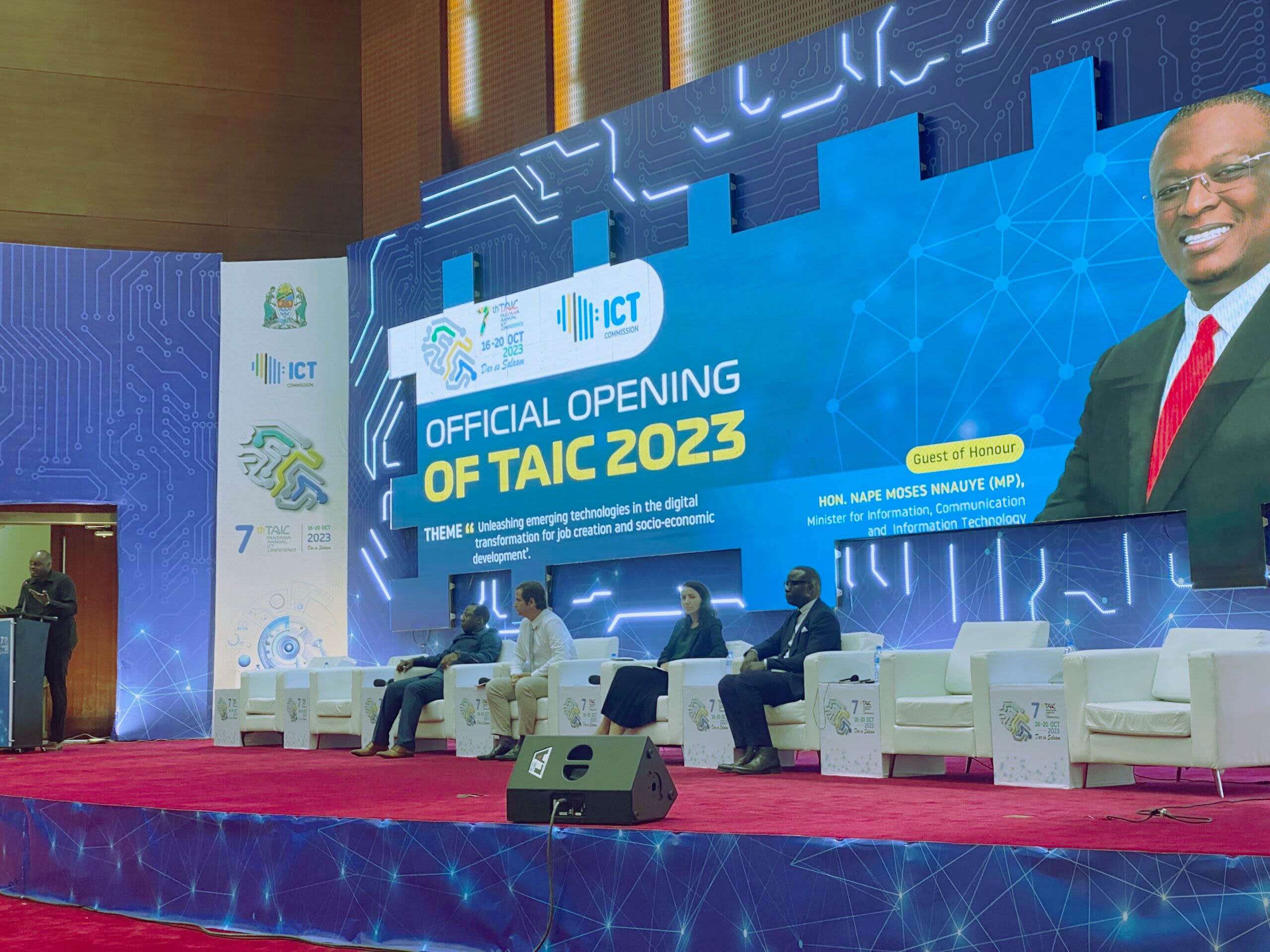
Every year, the Tanzania Annual ICT Conference (TAIC) brings together a variety of stakeholders including academia, researchers, development partners, business industry and youth in digital innovation spaces and practitioners in the local ICT industry. The conference aims to involve these stakeholders through discussion and knowledge sharing on matters related to policy, research, innovation and business aspects of the digital economy and ICT sector’s contribution to the national economy. In 2022, the Tanzania ICT Commission (ICTC) invited ITL to be part of the conference, for the latter to gain more insights into the current challenges and opportunities for the Tanzania ICT landscape as well as to share its knowledge and experience of e-governance. In this sense, a half-day workshop dedicated to e-governance needs and good practices was organized on the sidelines of TAIC 2022.
The workshop entailed topics such as data and registries, data exchange, digital identity, cyber security, public finance management, e-justice and e-education, which enabled lively discussions with the Tanzanian stakeholders and also follow-up meetings on the next steps of the collaboration, incl. the implementation of the technical assistance activity that kicked off right after that, entailing a digital readiness study, drafting a digital economy roadmap and implementing a data exchange related to proof of concept project. The results of the technical assistance project were introduced at TAIC 2023.
Substantive knowledge of the challenges and priorities gained through the interactions is complementing the ongoing EU Twinning project Digital4Tanzania that supports e-government reform and connectivity and is implemented by Estonia, Finland, and Germany.

Botswana and Namibia


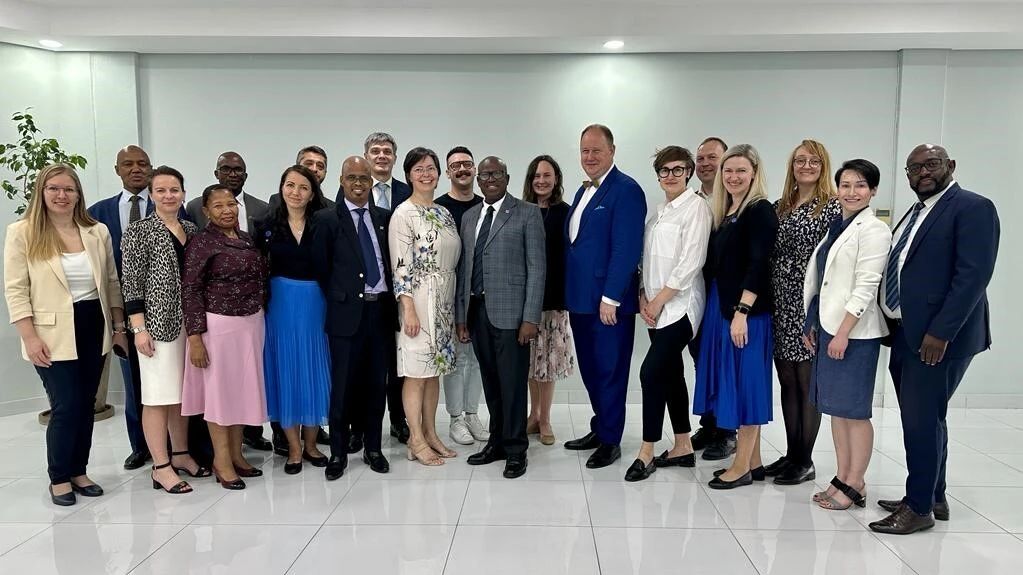
On March 27-31, 2023, Estonia held a high-level visit to Namibia and Botswana by H. E. Mrs. Mariin Ratnik, Undersecretary for Economic and Development Affairs of Estonian MFA, and a delegation from ITL. The purpose of the visit was to introduce Estonian expertise on digital transformation and to update knowledge on the priorities and challenges of both countries’ public and private sectors. The visit aimed to provide input to tailor Estonia’s next steps in development cooperation with both Namibia and Botswana bilaterally and as part of Team Europe, and at creating contacts with the local private sector. In the frames of the visit, workshops on digital transformation were held in both countries, focusing on topics such as strategy building, secure data exchange, digital identity, designing citizen services, smart mobility and e-education. The workshops featured peer-to-peer exchange opportunities with Ukraine, where Estonia has cooperated on supporting the digital transformation for almost a decade, and whose journey provides new perspectives and lessons. This activity resulted in delegations from both countries visiting the e-Governance Conference in 2023, a digital skill-related technical assistance activity in Namibia under the AU-EU D4D Hub project, and multiple bilateral programs of Estonia in cooperation with the Office of the Prime Minister and Namibia Investment and Promotion Board.

Estonian e-governance experience in Zimbabwe

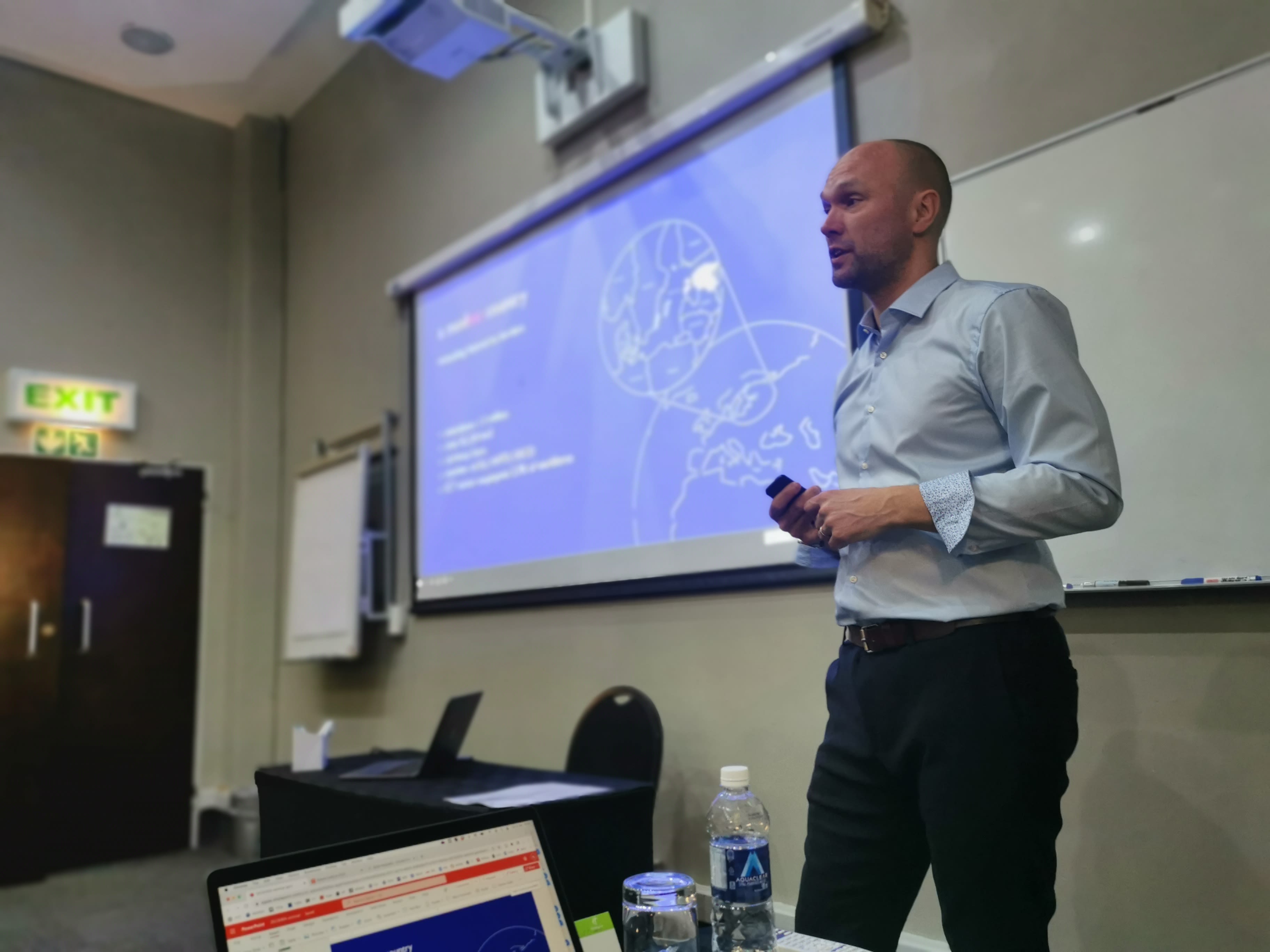
eGA organised a seminar titled "Enablers of the Digital Government". This seminar was intended to share Estonia's digital transformation journey with government officials from Zimbabwe. During the seminar, Team Estonia presented the key enablers of digital government, highlighting how they are transforming the government to make it more citizen centric.
The seminar covered a wide range of topics, such as secure data exchange, strong digital identity, government portals, information security, citizen-centric e-services, citizen engagement, and empowering the public sector. The primary aim of this seminar was to provide digital government project officials, decision-makers, service managers, coordinators of government digital transformation programs, and heads of IT departments with plans to go digital with relevant information.
Following the seminar, high-level meetings were held with relevant government officials to discuss the challenges and opportunities for Zimbabwe to learn from Estonia's digital transformation journey. The seminar also supported the aims of EU delegation to Zambia to increase engagement with the government in the field of digital transformation.


Cybersecurity in Cabo Verde


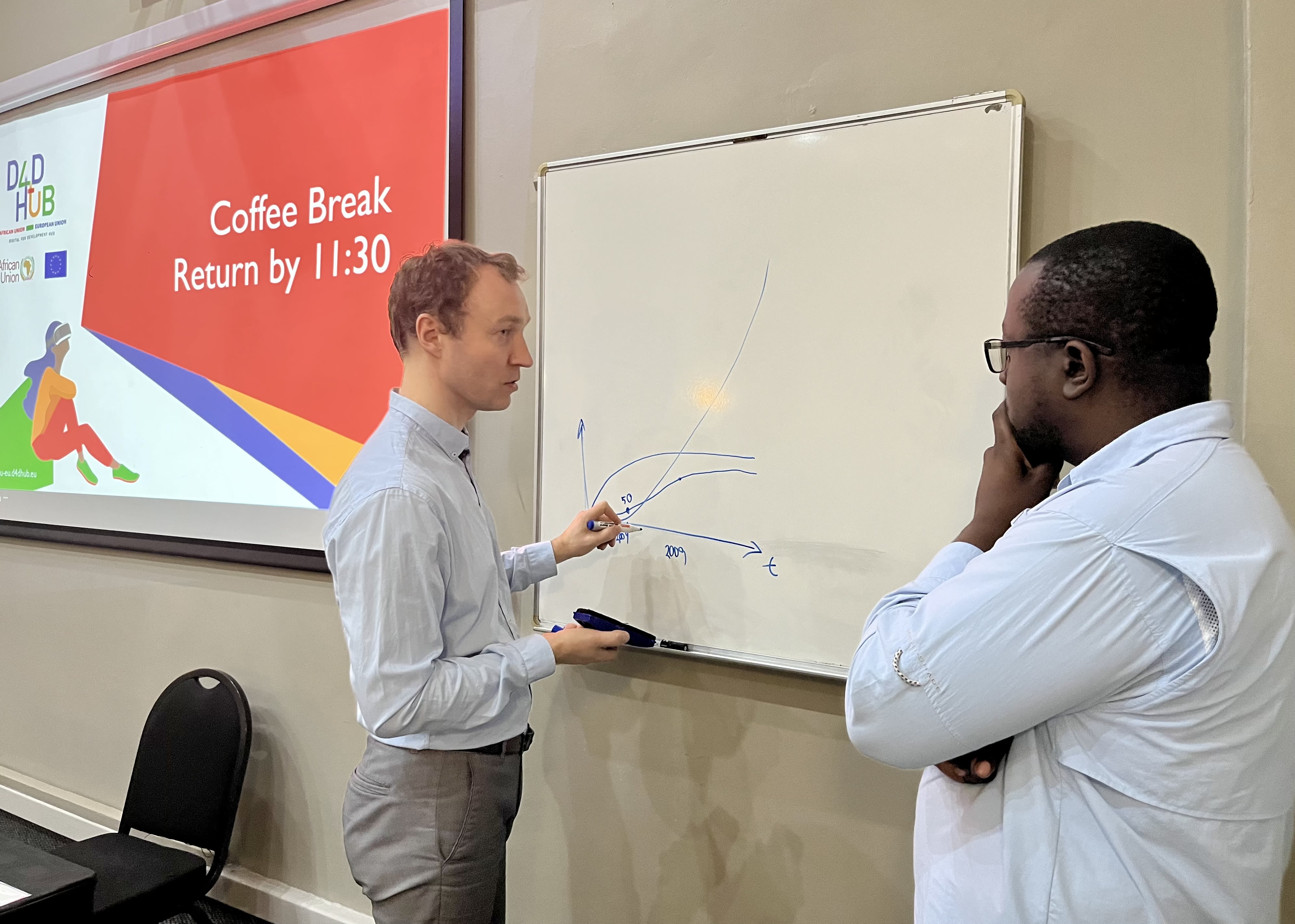
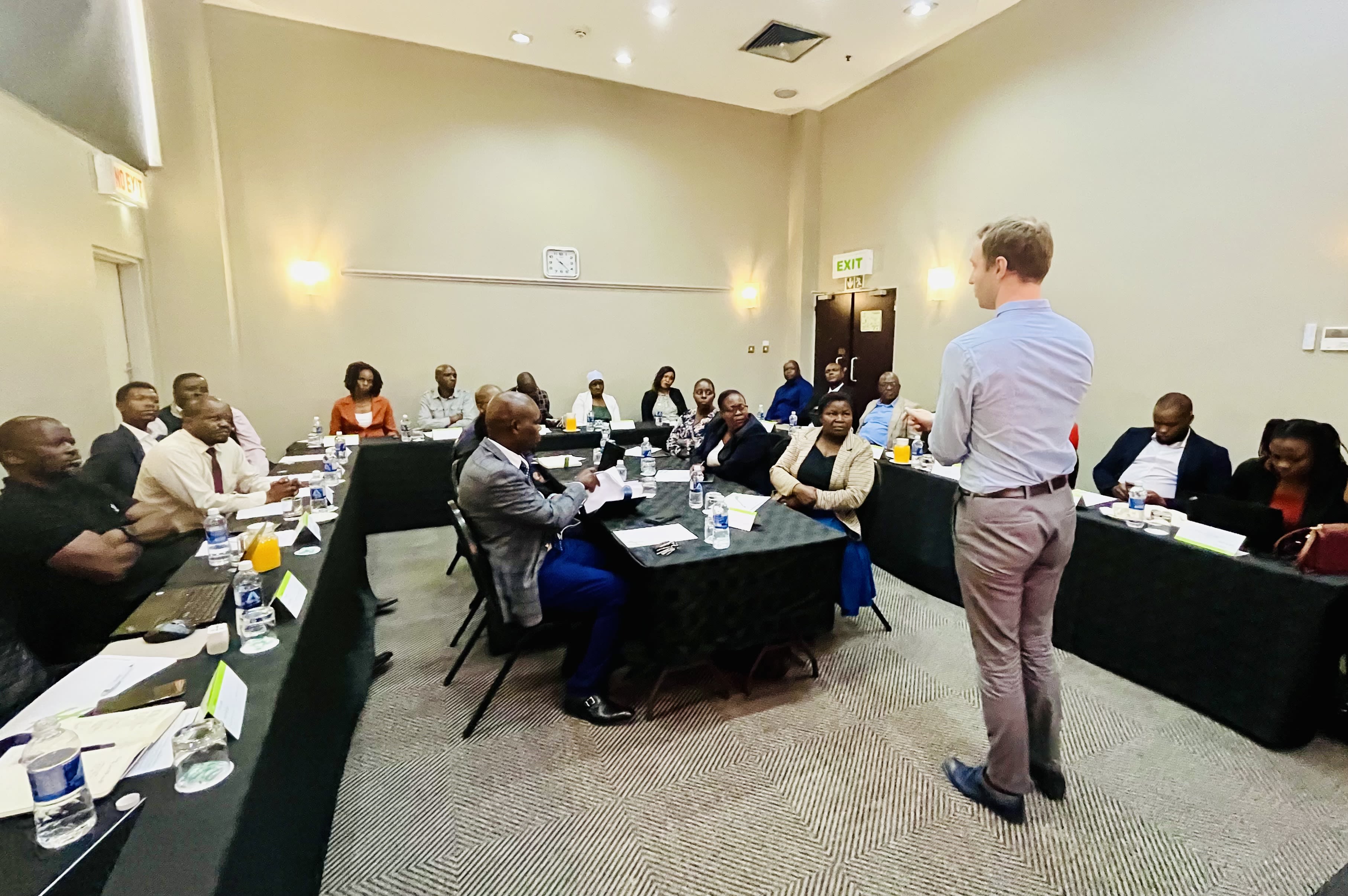
An interactive workshop was held in Cabo Verde to help participants understand critical information infrastructure protection and its significance in the modern digital landscape. The attendees gained insights into the EU legal approaches, recent developments, and examples regarding critical infrastructure components and sectors. The workshop provided a comprehensive policy orientation and actions toward security and stability in cyberspace.
The workshop brought together stakeholders from governmental institutions, agencies dealing with digitalisation and cybersecurity, and private sector representatives from Cabo Verde who managed critical services.
The results of the workshop have provided insights to feed into the new activity under the AU-EU D4D Hub project, implemented by Luxembourg in 2024, to cooperate on increasing cyber incident response capabilities of both the public and private sectors.



Digital governance in Zambia


Part of any successful digital transformation is a mindset change and supporting the stakeholders when they embark on digitalisation projects. Even if strategic documents about digitalisation have been agreed, a lot of attention needs to be put into making these understood and implemented by different stakeholders.
In Zambia, eGA conducted a workshop to explore the enablers of digital governance on the sidelines of the high-level Digital Government Africa Summit. The seminar aimed to gain insight into Zambia's national aspirations concerning the National e-Government Agenda, which emphasises the complete digitalisation of critical government systems, processes, and services.
The workshop focused on the necessary infrastructure requirements and the order of steps to offer online government services to citizens. The larger context of digital transformation, public sector reforms, and citizen-centric perspective was also discussed in the seminar. The experts highlighted the main building blocks: base registries, interoperability framework, digital identity, and change management. The workshop received positive feedback, and the interactive participation was highly appreciated. The workshop provided an opportunity to be a stepping stone to concretise further EU-Zambia digital cooperation.
Facilitating multi-stakeholder dialogues in Uganda


In 2022 and 2023, the Ministry of ICT and National Guidance of Uganda with the support of the AU-EU D4D Hub gathered the main actors of Uganda’s digital ecosystem – public sector, civil society organisations, private sector actors as well as international partners working in the digital field – with the purpose of increased coordination an identifying common working areas, ongoing activities and synergies. The 2023 event also featured collaboration with UNDP, presentation of Uganda’s Digital Transformation Roadmap, and open discussions how Team Europe and other partners can support its implementation. Team Estonia was an active member of Team Europe contributing to these events. We also supported the development of the Roadmap by hosting a delegation in Estonia led by the permanent secretary of the Ministry of ICT and National Guidance for a study visit to exchange ideas for the roadmap. The visit was organised by the Estonian Centre for International Development, the agency under the Ministry of Foreign Affairs of Estonia, in collaboration with Enabel and UNDP in 2022. Committed to further advancing synergies and coordination in the digital cooperation field, Estonia, other Team Europe partners as well as several other donors remain active in supporting the operationalisation of the human-centric digital transformation in Uganda.


 Built with Shorthand